Begin with a day, rather than a photograph
A room is most convincing when its beauty belongs to the life it supports. Before choosing a sofa, describe an ordinary day: where you sit with coffee, whether you read in the evening, how many people gather, and what needs to be put away. These observations become a more useful brief than a folder of unrelated images.
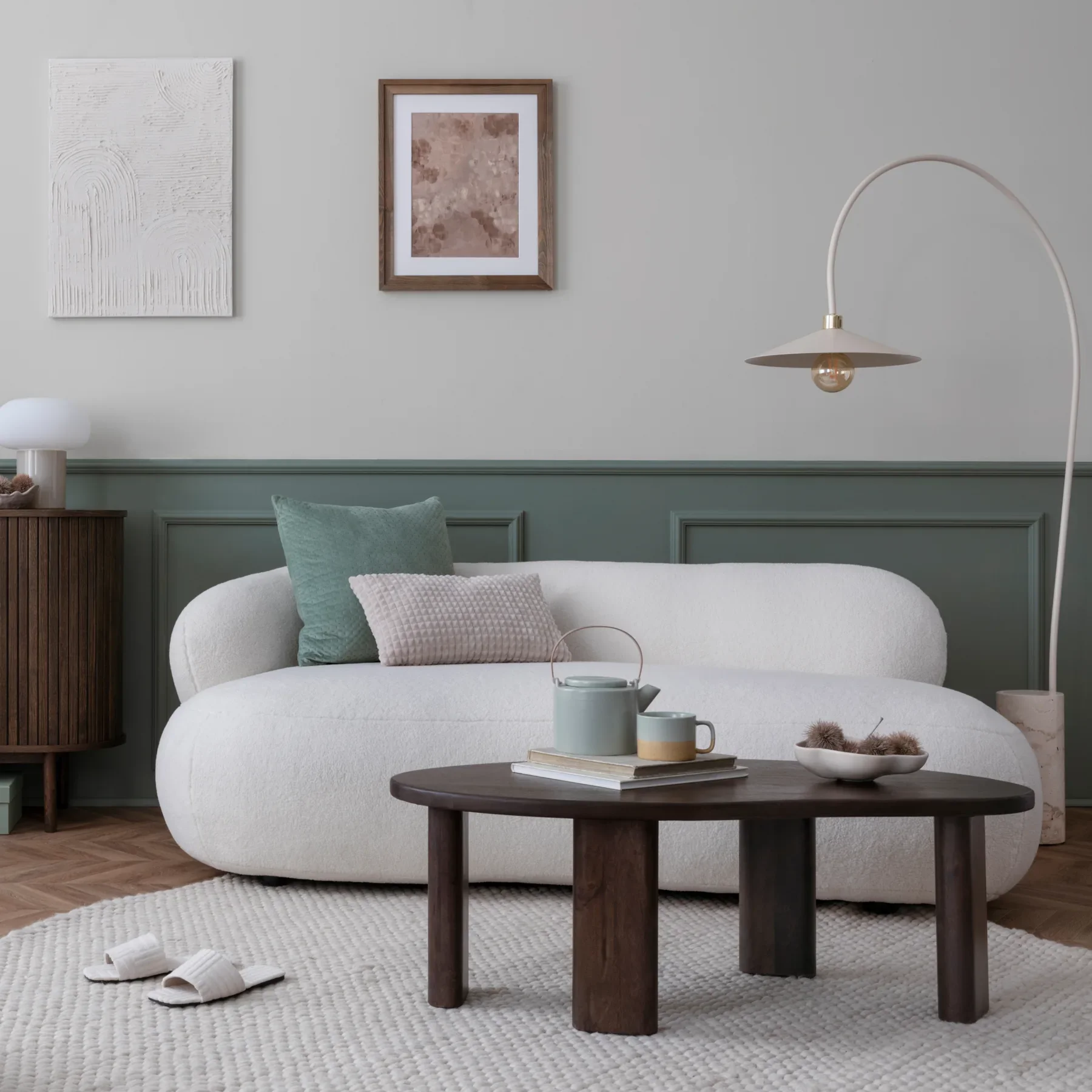
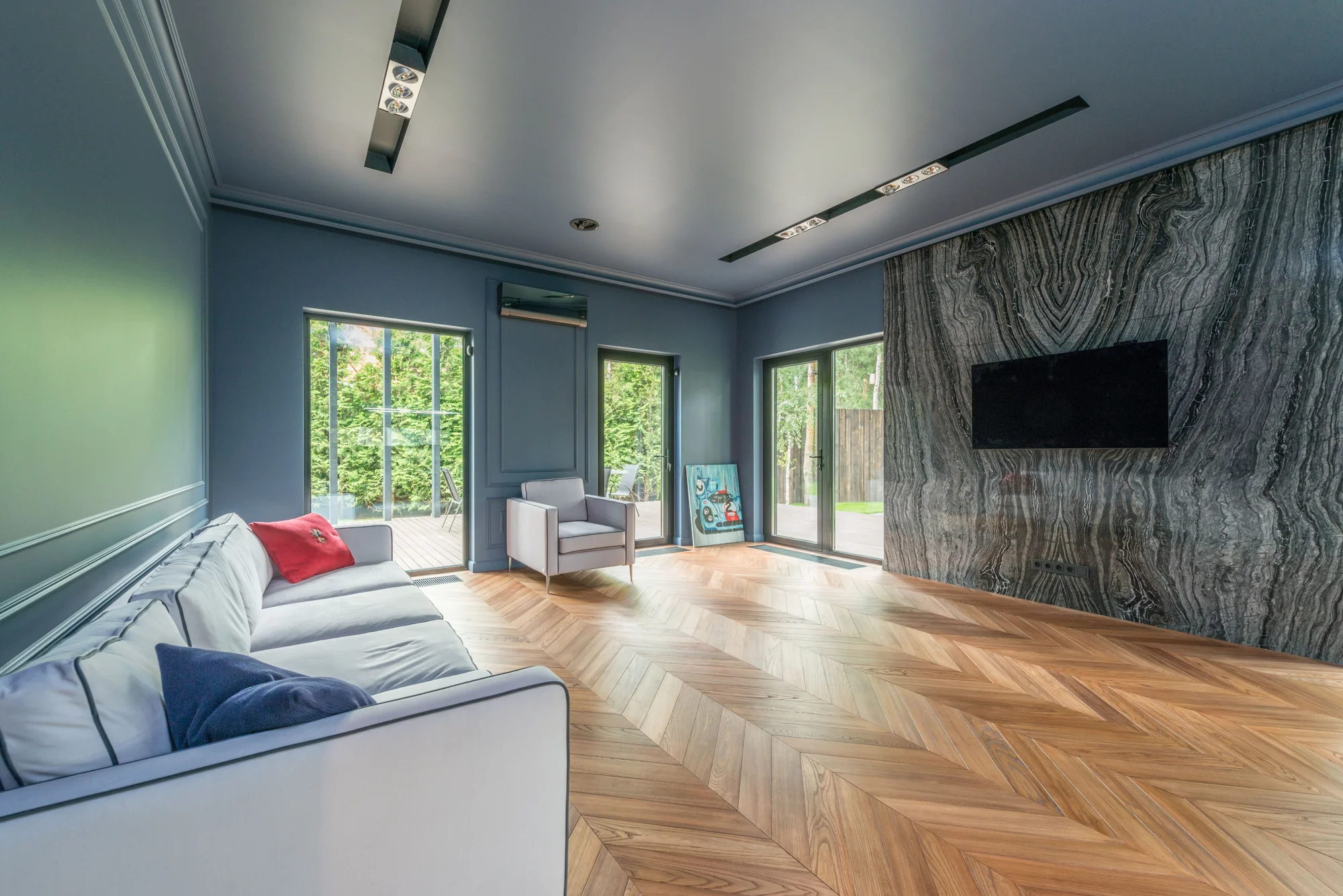
Look at the photographs you have collected and name the quality that draws you in. It might be an uninterrupted view, generous space between furniture, a low horizon of seating or the contrast between a precise architectural line and a softer material. Naming the quality lets you translate an idea without reproducing someone else’s room.
Give the furniture a relationship
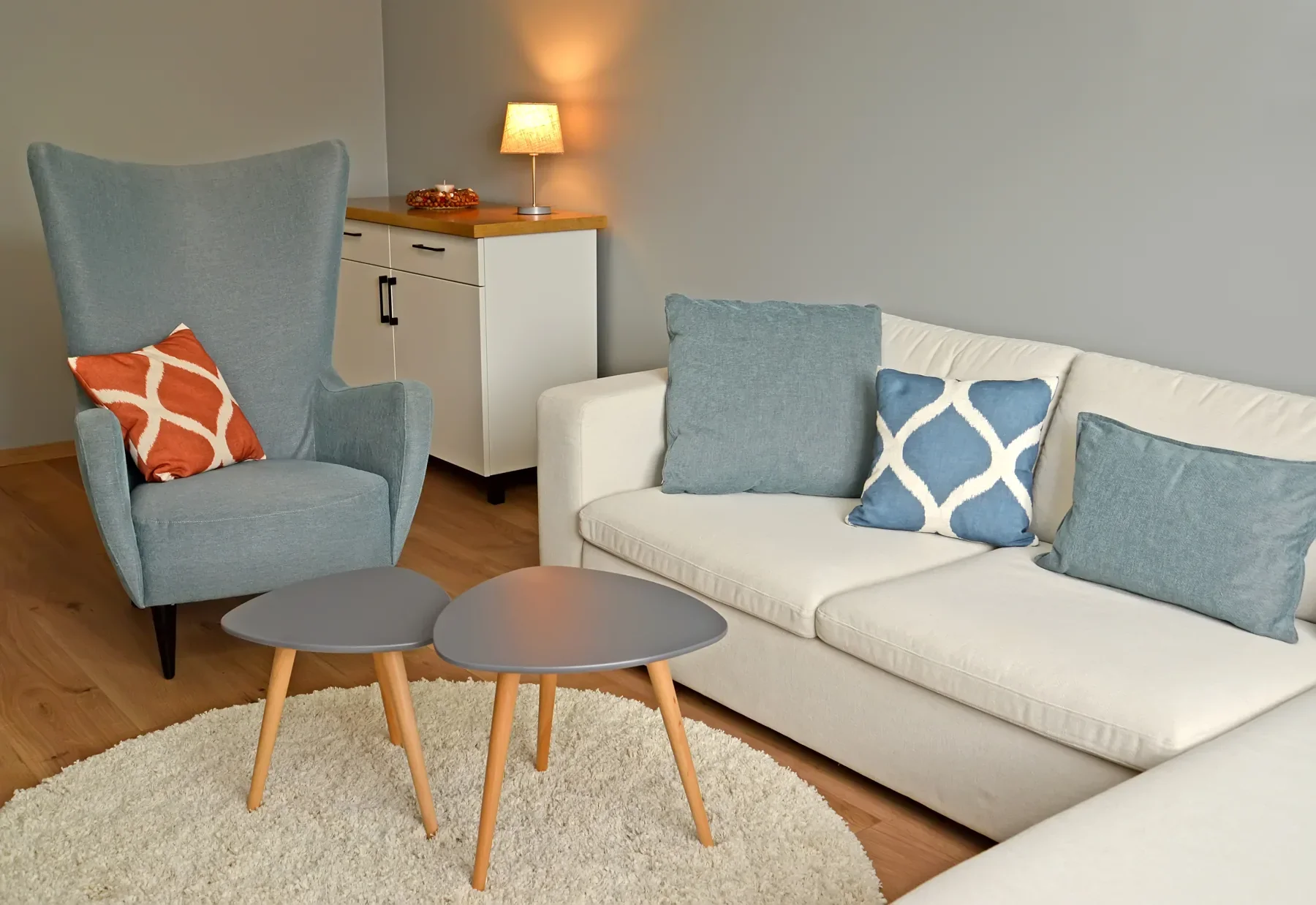
Consider the room as a sequence of relationships: the chair to the window, the table to the sofa, the rug to the seating group. Make a measured plan and mark door swings and the paths you actually use. Tape out a proposed furniture footprint before ordering, especially when an image makes a large piece appear deceptively compact.
The aim is a composition that still feels comfortable in use. Test the view from the entrance and from a seated position. Ask what becomes the focus, what interrupts conversation and what could be removed. A single well judged alteration can clarify a room more than another decorative object.
Let texture do some of the work
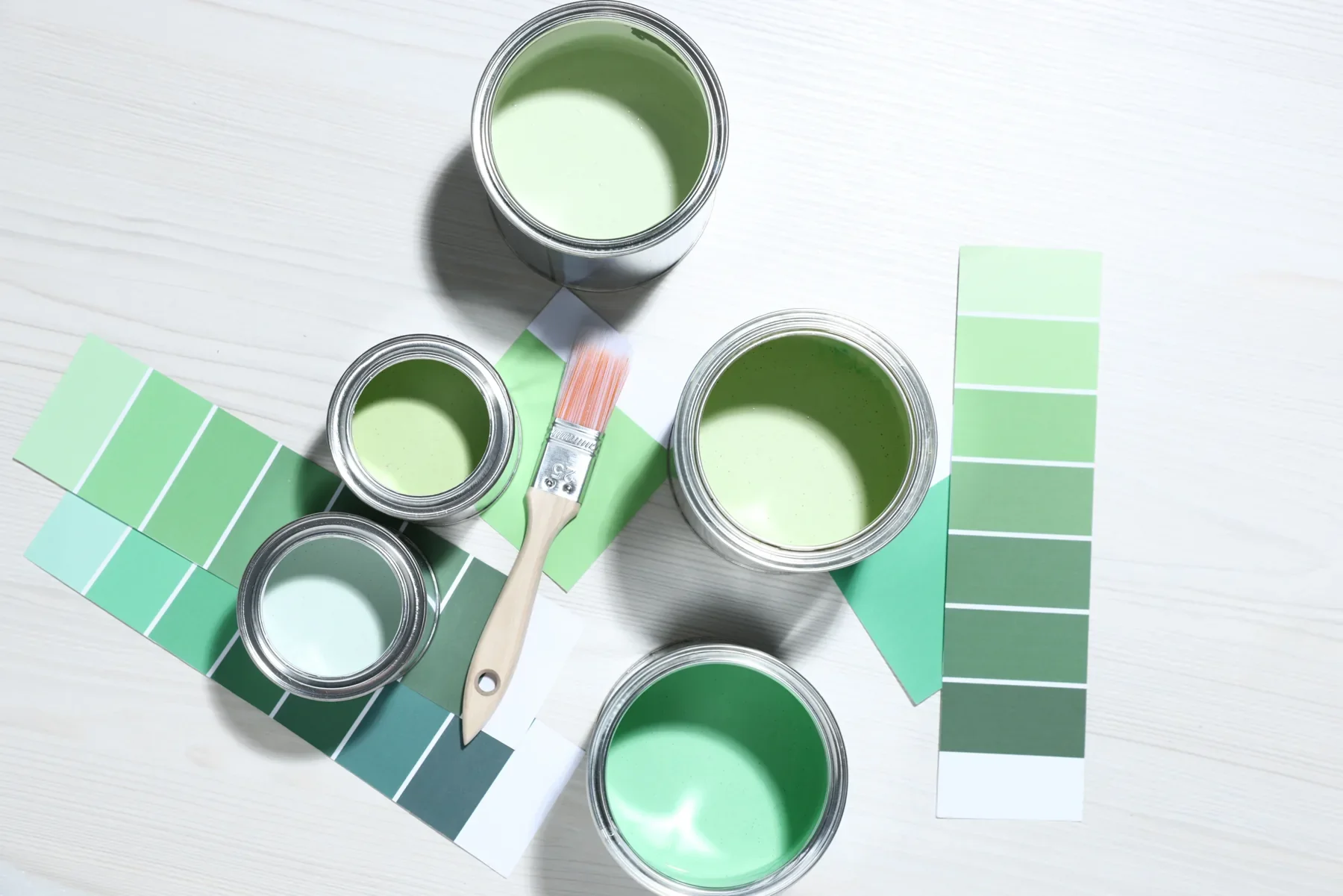
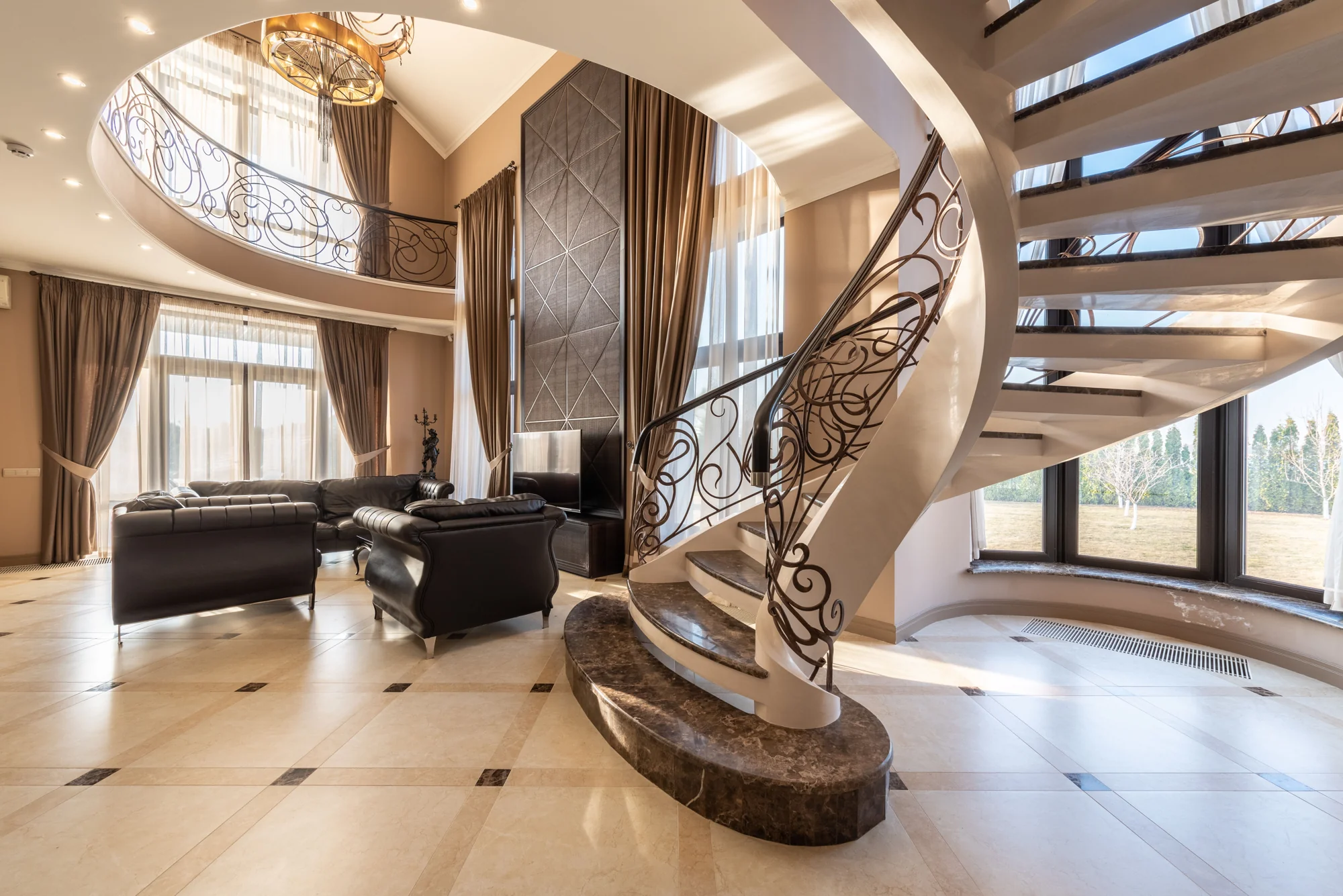
A restrained palette can still have a rich character. Compare smooth and textured surfaces, reflective and matte finishes, fine and coarse weaves. Bring physical samples into the room, view them at different times of day, and record what changes. A finish that looks calm in a showroom may read quite differently beside your own floor.
Choose materials with their daily care in mind. Ask the supplier for the maintenance guidance that applies to the exact material and finish, rather than relying on the appearance of a sample alone. A considered interior makes room for both the surface you admire and the routine you are comfortable keeping.
Leave room for the personal
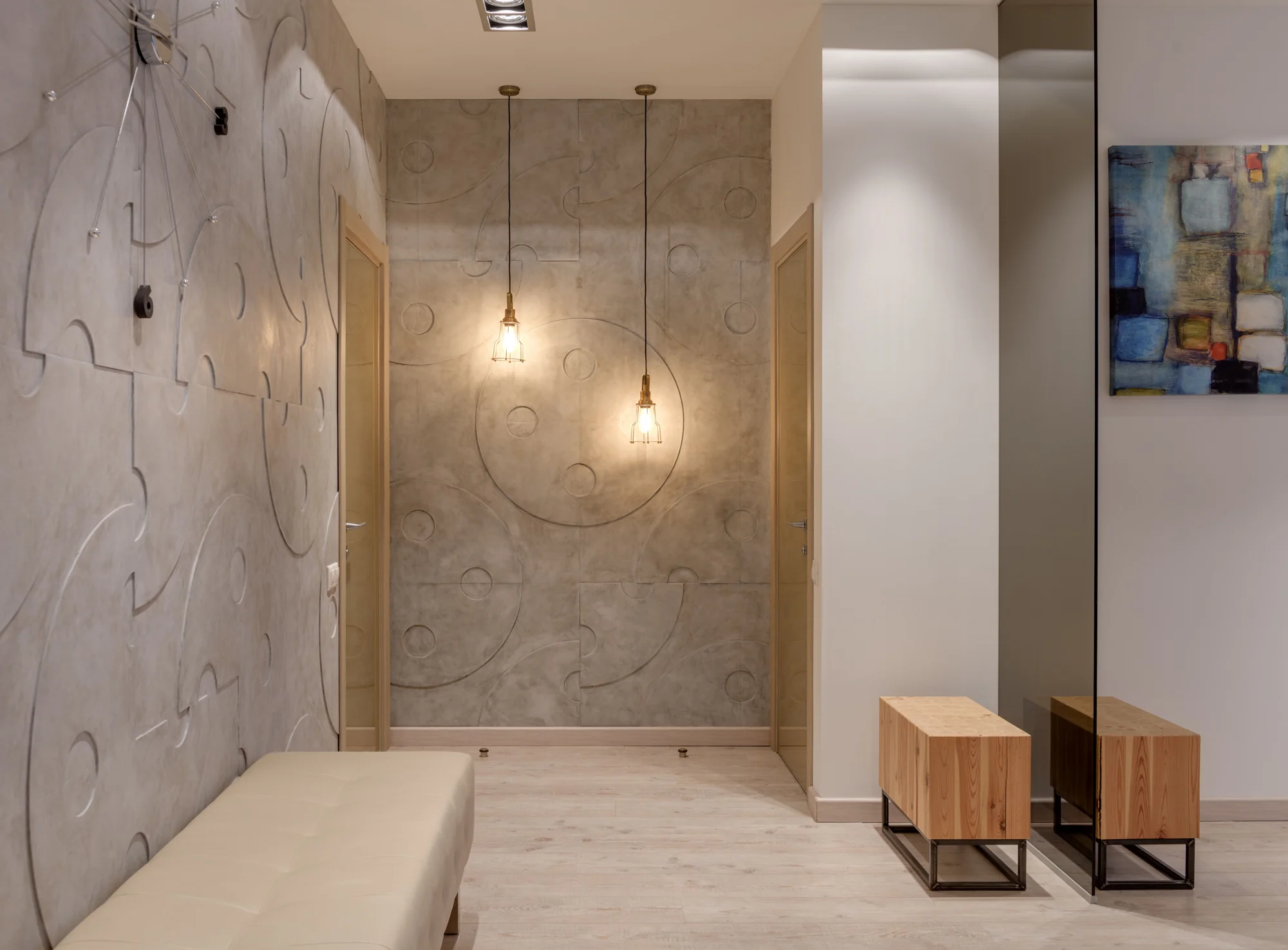
An interior need not be finished in a single delivery. A book you return to, a piece made by a craftsperson or an object with a personal history gives the room a reason to be yours. Give these objects breathing room rather than distributing small decorations across every surface.
Before the final purchase, revisit the original description of your day. If the room supports it with ease, the design is beginning to succeed. Use the questions below as a working brief, then revisit the room after living with it.
Questions worth asking.
0 of 4 considerations reviewed.
Further reading & sources
Archmora’s editorial questions are supported by the following references. Photography illustrates the ideas discussed.
AIA: questions to consider before beginning a home project ↗Our editorial approach